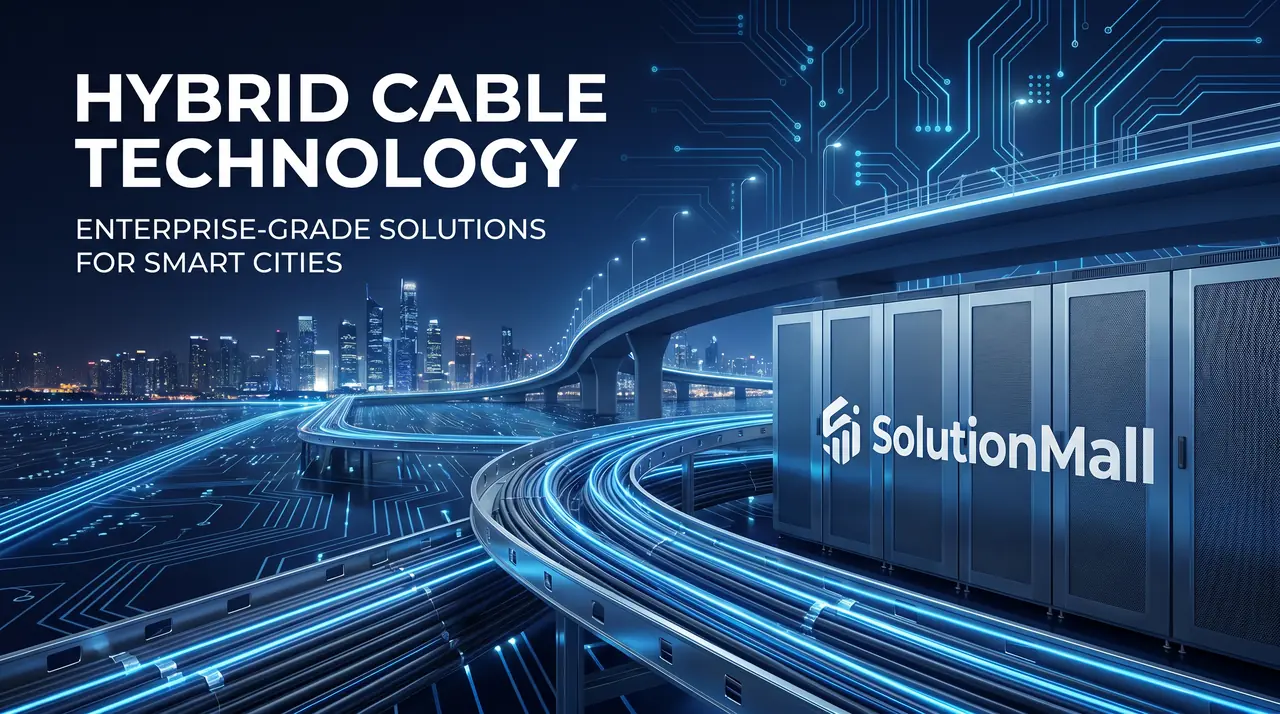
Comprehensive guide to hybrid cable categories — combining fiber optics, power, data, and control signals in a single cable for enterprise infrastructure worldwide.
Hybrid cables integrate multiple transmission media — optical fiber, copper conductors, coaxial elements, and power wires — into a single unified cable assembly, dramatically reducing installation complexity and total cost.
Replace 3–5 separate cables with one hybrid cable. Reduce conduit fill, simplify routing, and cut installation labor by up to 60%.
Fewer connectors and junction points mean fewer failure modes. Integrated cables maintain signal integrity and reduce EMI coupling between conductors.
Reduced cable count, faster installation, lower maintenance overhead, and longer service life combine to deliver 30–50% lower total cost of ownership.
Armored, LSZH, ATEX-rated, and marine-grade variants handle outdoor, underground, hazardous area, and harsh industrial deployments.
Single cable identification, unified termination points, and standardized connectors make troubleshooting and replacement faster and more reliable.
Modular hybrid designs accommodate technology upgrades — add fiber strands, increase power capacity, or integrate new signal types without full re-cabling.
From front-end access to backbone transmission, our hybrid cable portfolio covers every layer of enterprise infrastructure.
Single-mode or multimode fiber combined with 48VDC or 24VDC power conductors. Ideal for IP cameras, access points, and IoT devices over distances up to 2km.
Cat6/Cat6A data pairs with integrated power conductors. Supports PoE++ (90W) for high-power devices. Eliminates separate power runs for short-distance applications.
RG59 or RG6 coaxial cable with integrated 18AWG power conductors. Designed for analog CCTV cameras and video transmission with simultaneous power delivery.
Combines fiber, ethernet, power, and control signal conductors in one cable. For complex devices requiring multiple signal types simultaneously.
High-fiber-count (12–144 fiber) backbone cable with integrated power conductors for building and campus backbone infrastructure. Supports 100G+ transmission.
Steel wire or aluminum tape armored hybrid cable for direct burial, underground conduit, and high-mechanical-stress environments. Rodent and crush resistant.
Low Smoke Zero Halogen jacketed hybrid cable for indoor riser and plenum installations. Meets IEC 60332, EN 50266 fire safety standards for public buildings and tunnels.
UV-stabilized PE or HDPE jacketed hybrid cable for aerial and outdoor installation. Rated for -40°C to +70°C operating temperature range.
Double-shielded (foil + braid) hybrid cable providing >60dB EMI attenuation. For industrial environments with heavy electrical interference from motors and VFDs.
Stranded conductor and flexible fiber construction rated for 10 million+ flex cycles. For robotic arms, cable chains, and moving machinery applications.
Silicone or PTFE insulated hybrid cable rated for -60°C to +200°C. For furnace monitoring, engine rooms, and extreme temperature industrial processes.
PUR or PTFE jacketed hybrid cable resistant to oils, solvents, acids, and cleaning agents. For food processing, chemical plants, and offshore environments.
Explosion-proof hybrid cable certified for ATEX Zone 1/2 and IECEx hazardous areas. For oil refineries, chemical plants, and offshore platforms.
IEC 60092 compliant marine hybrid cable with CSP or EPR jacket. Resistant to seawater, UV, and mechanical stress for vessel and offshore platform installations.
EN 50264 / EN 45545 compliant railway hybrid cable with LSZH jacket. For trackside, tunnel, and rolling stock applications requiring fire safety certification.
Integrated SPD (Surge Protection Device) hybrid cable assembly protecting against lightning and electrical surges. For outdoor and exposed installations.
IP67 rated hybrid connector combining fiber and power contacts in a single push-pull housing. For outdoor and wet environment device connections.
Weatherproof splice closure for hybrid cable mid-span joints. Accommodates fiber splicing and power conductor connections in a single sealed enclosure.
IP65 distribution box for hybrid cable fan-out. Splits one hybrid cable into multiple individual fiber and power outputs for device connections.
19-inch rack-mount patch panel for hybrid cable termination. Provides organized fiber and power termination in data center and equipment room environments.
Mid-span power injection unit for hybrid cable systems. Allows power to be added at intermediate points without disrupting signal transmission.
Portable test instrument for hybrid cable verification. Tests fiber continuity, optical loss, and power conductor resistance in a single measurement cycle.
Complete cable management accessories including cable ties, strain relief boots, bend radius limiters, and identification labels for hybrid cable installations.
Pre-loaded cable drums with standard lengths (100m, 200m, 500m) for efficient site deployment. Available with pre-terminated connectors for plug-and-play installation.
From smart city infrastructure to offshore platforms, hybrid cables deliver proven performance across demanding environments.

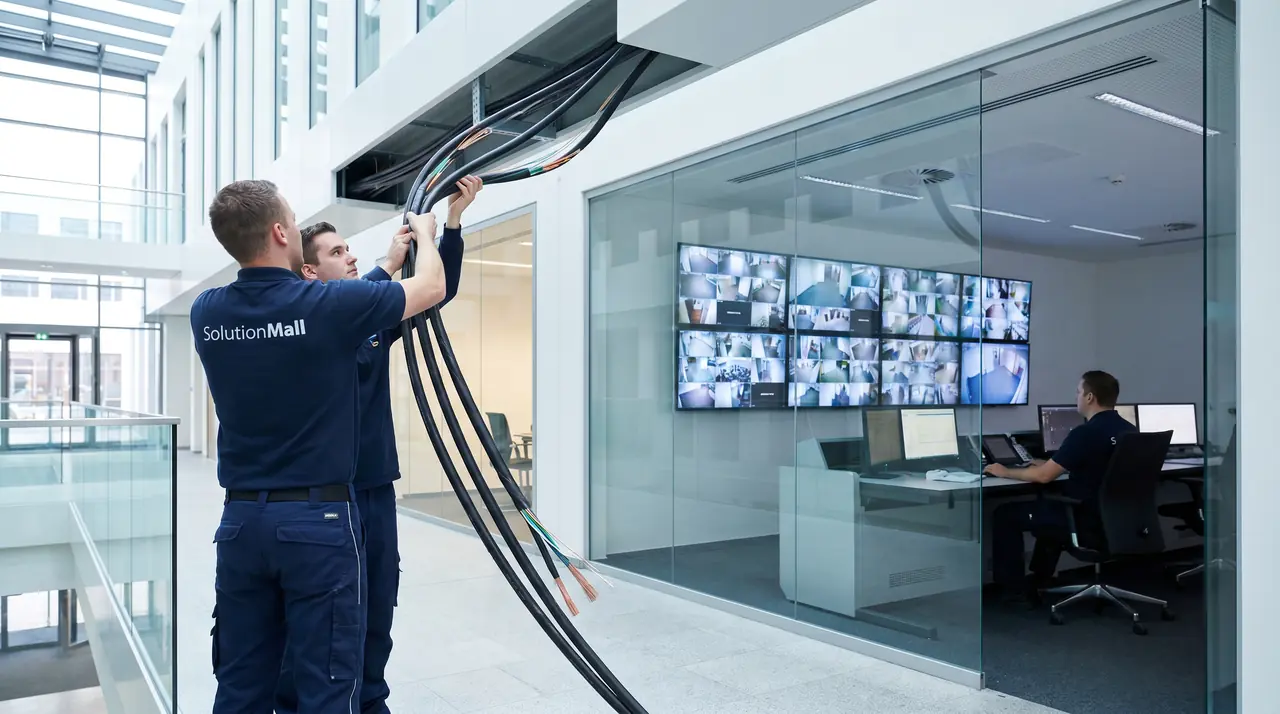
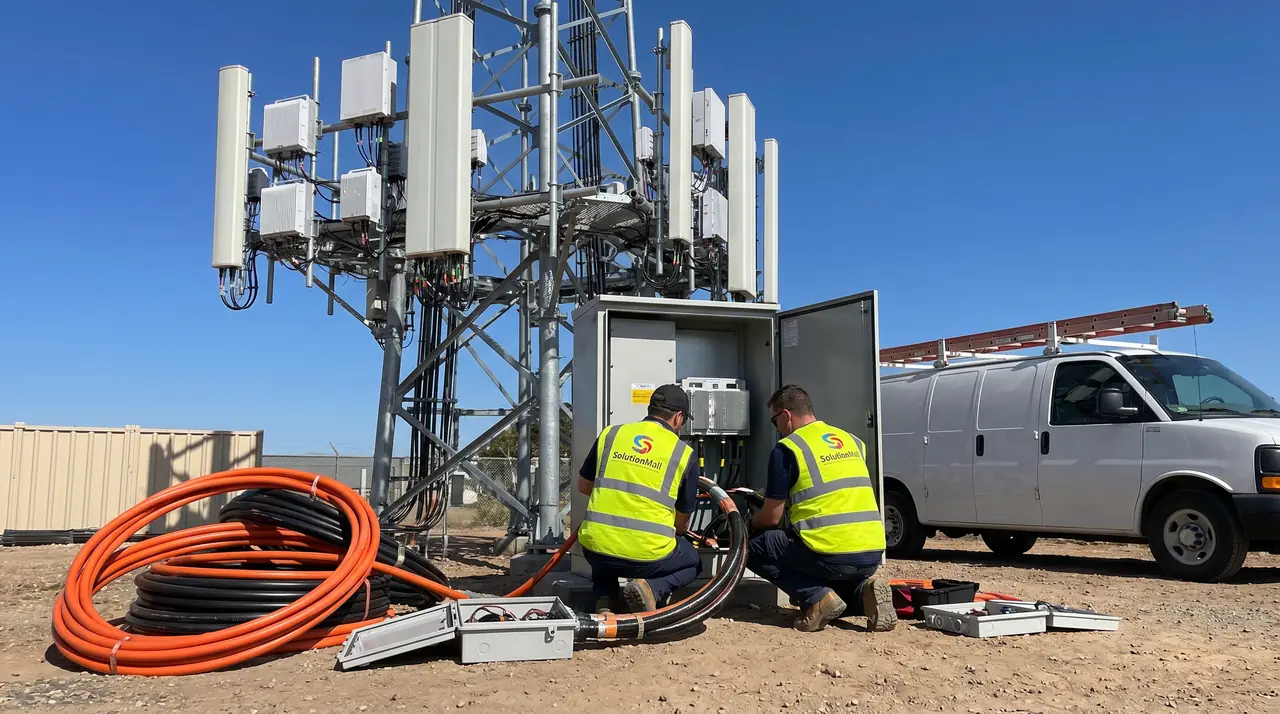
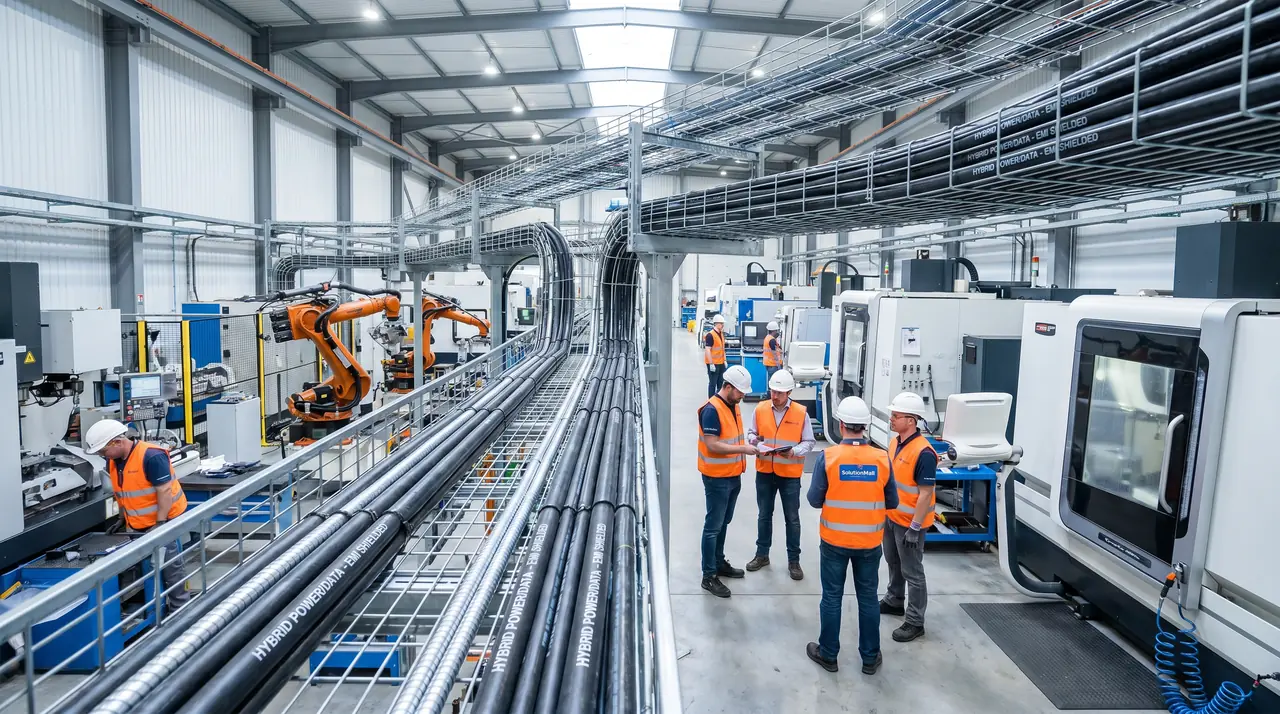
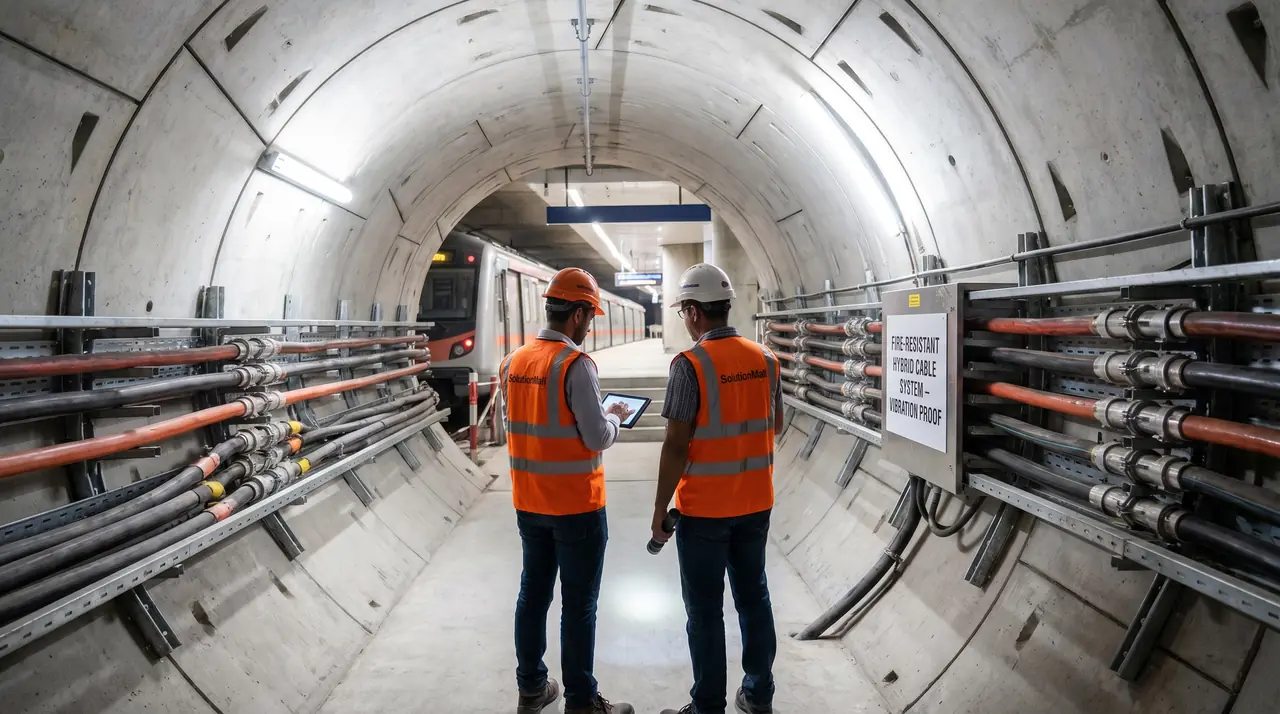

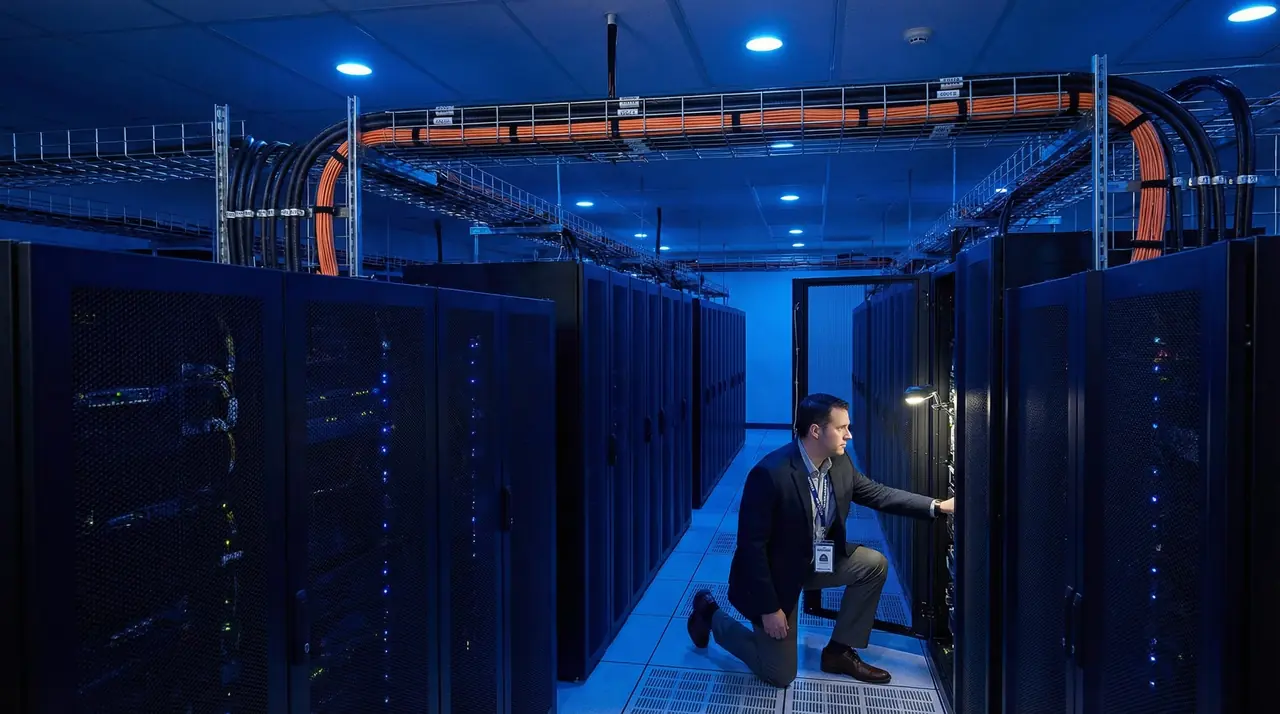

Each solution includes system architecture, product recommendations, and deployment guidelines tailored to your industry.
Integrated hybrid cable infrastructure for surveillance, smart lighting, environmental monitoring, and public WiFi networks.
Learn More →
High-definition surveillance networks using fiber+power hybrid cables to eliminate distance limitations and simplify installation.
Learn More →
Fronthaul and backhaul hybrid cable solutions for 5G small cell deployment, combining fiber and power in a single cable run.
Learn More →
EMI-shielded hybrid cables for factory automation, robotics, and process control in demanding industrial environments.
Learn More →
EN 45545 fire-safe hybrid cables for metro, high-speed rail, and transit infrastructure with decades of reliable service life.
Learn More →
ATEX-certified and marine-grade hybrid cables for offshore platforms, vessels, and subsea applications in hazardous environments.
Learn More →Follow this 4-step process to identify the optimal hybrid cable for your application.
Identify what signals need to be transmitted: fiber optic, ethernet data, coaxial video, power, or control signals.
Evaluate installation conditions: indoor/outdoor, temperature range, chemical exposure, mechanical stress, and fire safety requirements.
Determine maximum cable run length and power requirements to select appropriate conductor sizes and fiber counts.
Confirm applicable standards: IEC, EN, UL, ATEX, marine, or railway certifications required for your installation.
Key data points driving hybrid cable adoption across global infrastructure projects.
The hybrid cable market is projected to reach $8.2 billion by 2028, growing at 12.4% CAGR driven by 5G rollout and smart city investments.
Projects using hybrid cables report 40–60% reduction in installation labor costs compared to separate cable runs for the same infrastructure.
Fiber+power hybrid cables extend device reach to 2km+ compared to 100m PoE limit, enabling new deployment architectures for large-area coverage.
Total cost of ownership analysis shows 30–50% savings over 10-year project lifecycle when hybrid cables replace multi-cable installations.
5G small cell densification requires millions of fiber+power cable runs. Hybrid cables are the preferred solution for urban 5G infrastructure deployment.
IP68-rated hybrid cable assemblies enable direct burial and submersible installations, eliminating the need for additional conduit in many outdoor applications.
Premium hybrid cables are designed for 25+ year service life, matching infrastructure investment cycles for transportation, utilities, and building systems.
IEC 60794, IEC 60502, EN 50264, and EN 45545 provide the framework for hybrid cable performance and safety certification across global markets.
Understanding and mitigating the key risk categories in hybrid cable system design and deployment.
Voltage isolation between power and signal conductors must meet IEC 60950/62368 requirements. Minimum 1500V AC isolation test between power and data circuits.
Power conductors can induce EMI into adjacent data pairs. Proper shielding, conductor separation, and twisted-pair construction are critical design requirements.
Water and moisture ingress causes insulation degradation and corrosion. IP67/IP68 connectors and gel-filled splice closures are required for outdoor installations.
Cable jacket material determines fire behavior. LSZH jackets reduce toxic smoke in enclosed spaces. IEC 60332 and EN 50266 define fire propagation test requirements.
In hazardous areas with flammable gases or dust, ATEX/IECEx certified cables and connectors are legally required. Zone classification determines certification level needed.
Crush, impact, and abrasion can damage fiber and insulation. Minimum bend radius must be maintained during installation. Armored cables required in high-risk areas.
Power conductor heating must be managed to prevent insulation degradation. Derating factors apply when multiple cables are bundled or installed in conduit.
Physical cable security prevents unauthorized signal tapping. Armored cables with tamper-evident features protect sensitive data transmission in critical infrastructure.
| Standard | Scope | Application | Risk Level |
|---|---|---|---|
| IEC 60794 | Optical fiber cables | All fiber hybrid cables | Low |
| IEC 60502 | Power cables up to 30kV | Power-carrying hybrid cables | Medium |
| IEC 60332 | Fire propagation test | Indoor and tunnel installations | High |
| EN 45545 | Railway fire safety | All railway applications | High |
| ATEX / IECEx | Explosive atmosphere | Oil, gas, chemical plants | High |
| IEC 60092 | Marine electrical systems | Vessels and offshore platforms | High |
| UL 444 / 2196 | US communications cables | North American market | Medium |
| IEC 61000-4 | EMC immunity testing | Industrial environments | Medium |
Use these tools to size your hybrid cable system, estimate power losses, and compare total cost of ownership.
Input your cable run distance, power requirement, signal type, and environment to receive an instant cable type recommendation with match score and engineering notes.
Calculate the voltage drop, power loss, and conductor resistance for any cable run. Instantly assess whether your conductor cross-section is adequate for the load.
Compare the 10-year total cost of ownership between traditional multi-cable runs and a hybrid cable solution. Quantify labor savings, material costs, and payback period.
Our engineering team is ready to help you select the right hybrid cable solution for your project. Get a customized recommendation within 24 hours.
